

Global Health Internships
Less than half of the global population is covered by necessary health services. Global Health is the area of study focused on prioritizing health and health equity across the globe. Global health challenges vary depending on the location of interest, but include low rates of immunization, poor sanitation and waste management, unsafe drinking water and chronic, infectious, and vector-borne diseases. Internship assignments vary. While internships help develop technical abilities, they provide more fundamental life skills. Interns will get an introduction to the professional world as well as the opportunity to gain career ready competencies in critical thinking, problem solving, teamwork, and global and intercultural fluency. These internships fulfill the field experience/internship requirement for the UO’s Global Health Minor.
Internship Locations
Child Family Health International (CFHI), our partner provider, is considered a global health ethics leader, upholding strict standards, and complying with all local laws regarding student involvement in health settings. Participants of this program will be placed in public health settings, including an array of non-governmental organizations (NGO) stepping in to address the gaps in health services and the neediest populations. This provides a unique learning opportunity and in-depth exposure to public health in various locations. Locations in Latin America such as Bolivia and Ecuador require varying levels of Spanish proficiency. Please reach out to a GlobalWorks member to learn more about the list of potential internship locations, and the specific requirements for each.
Dehli, India

India is the world’s largest democracy and is considered a newly industrialized country. Yet despite its large workforce and immense growth, India continues to face the hurdles of poverty, illiteracy, malnutrition, and inadequate public healthcare. Funds for health in India have long focused largely on medical services, reflected in a lack of modern public health regulations and delivery of services.
Interns will travel to Delhi, India, the second most populous city on the planet, and join NGOs working to implement social reforms and improve public health outcomes through educational campaigns and trainings with emphasis on the spread of HIV/AIDS in India, tuberculosis, and management of infectious diseases. They will also likely learn about key public health challenges such as low rates of immunization, poor sanitation and waste management, and unsafe drinking water. Interns will also learn about the lingering impact of India’s caste system and challenges in implementing public health initiatives within a culturally and linguistically diverse population.
Living in a private apartment in a residential neighborhood in south Dehli, students will become immersed in Indian culture and have an opportunity to visit Delhi’s numerous museums, restaurants, and shops or visit World Heritage sites like the Red Fort or Humayun’s Tomb.
Guyaquil & Puyo, Ecuador

Experience Ecuador’s diverse cultures and geography, from Ecuador’s most populous, vibrant, and modern tropical coastal city to a small city in the Amazon basin, considered a frontier town before entering the vast Amazon, the world’s largest tropical rainforest with unparalleled biodiversity, containing 1 of every 10 species on earth.
This program offers a unique opportunity to explore community-based medicine in a variety of settings, from the public hospital in a big urban setting to a small public primary healthcare clinic at the edge of the rainforest.
Interns will learn how communities in Guayaquil, Ecuador’s most populous city, and Puyo, a small city on the Amazon rainforest, are addressing their most pressing health challenges including chronic, infectious, and vector-borne diseases, all while improving your Spanish and gaining insights into public health realities in Ecuador, indigenous cultures, and community medicine.
Interns stay with homestay families and take Spanish classes during their time in Guayaquil. During their free time, interns may explore local cultural sites of interest in Guayaquil such as museums as restaurants, or visit local beach towns. From Puyo, travel to Baños or Tena, home to numerous waterfalls and beautiful landscapes.
This internship requires an intermediate to advanced level of Spanish.
Córdoba, Argentina

Cordoba, Argentina is a city of approximately 1.5 million people, located in central Argentina. It is the capital city of the providence Cordoba, and the second largest city in Argentina. Cordoba is known for its bustling city life, multiple tourist sites, and delicious dishes. Argentina has led a significant effort to provide universal health coverage through a decentralized network of primary, secondary, and tertiary clinics and hospitals. However, economic and social inequalities challenge the achievement of health for all
During this internship, students can explore primary care, social medicine, or nursing in some of the top infectious disease and pediatric health services in public health settings. Interns will learn about, and discuss healthcare accessibility, the universal public healthcare system, assessing and diagnosing illness, disease prevention, and more.
Living with locals, interns will become immersed in Argentinian culture while taking conversational and medical Spanish classes. During free time, students may enjoy cultural experiences, including live theater performances, musicals, and concerts, or revel in the breathtaking natural wonders of Argentina, including hikes and picturesque waterfalls.
This internship requires a beginner to advanced level of Spanish.
Cape Coast, Ghana

Cape Coast is a relaxed fishing port, home to Elmina and Cape Coast Castles. Legacies of the trans-Atlantic slave trade and UNESCO World Heritage sites, Ghana was the first sub-Saharan African country to gain its independence from European colonization in the twentieth century. Today, many factors impact the ability of much of Ghana’s population to access and enjoy optimum health care, education, food security, basic human rights, and remunerated work.
Program participants will learn about Ghana’s burden of disease, healthcare system, and public health implementation. Join the Planned Parenthood Association of Ghana, partaking in outreach programs focused on Sexual and Reproductive Health and Rights education.
Participants immerse in Ghanaian culture by staying in dedicated CFHI housing. During free time, participants enjoy Cape Coast’s scenic landscapes, beautiful sandy beaches, and historic landmarks.
Housing
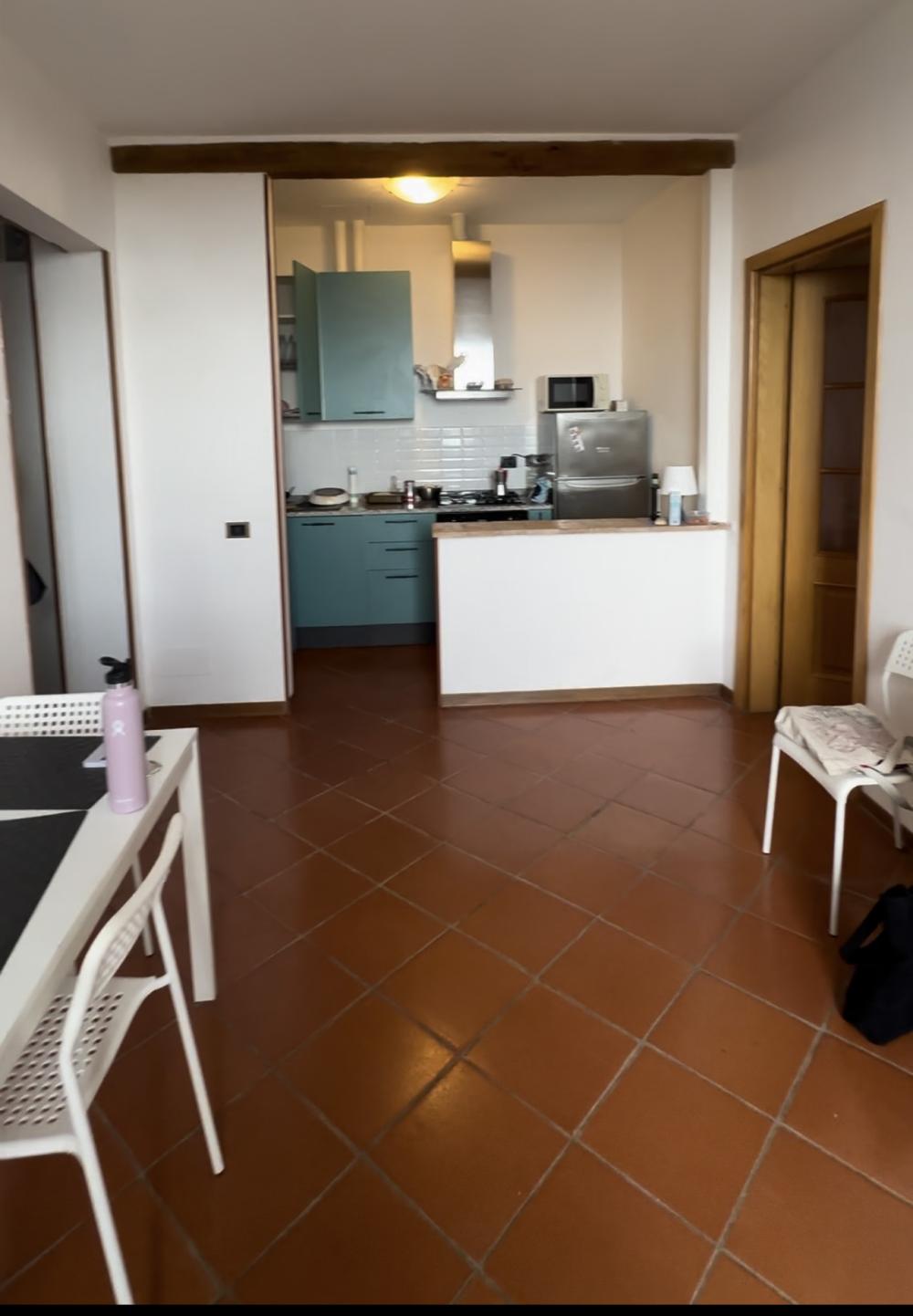
Students live in a homestay, guest house, or apartment and often share a room with another student.


Qualifications & Requirements
- Excellent written and verbal communication skills with the ability to work independently
- Flexibility to take on multiple job responsibilities, including entry level tasks
- Ability to take initiative, work independently and deal with ambiguity
- Good interpersonal skills and the ability to work on a team
- Strong attention to accuracy, details, and organizational skills
- Minimum GPA: 2.75
Required Courses
Students will enroll in 2 courses for a total of 12 credits. Visit our Courses & Credits page for more information.
Contact Us
Have questions? Please contact us at globalworks@uoregon.edu