
My name is Emely. I am about to go into my fourth year as a Global Studies and Spanish major. This will be the fourth year I navigate higher education without guidance from my family, as I am the first to have the opportunity to take this path. I am Mexican, I am American, and I am a woman. My identities are on my mind at home, and even more so abroad as I navigate social expectations and attempt to respectfully conform to the norm in Japan.
I chose to study abroad in Japan because it has been #1 on my bucket list for quite some time. The public transit system, fashion, and polite customs have always interested me because they seemed so different from those in the United States. I have wanted to take psychology courses since I started at the UO, so this program fits perfectly into my four-year plan and interests.
In relation to my identities, I wanted to know the expectations for how to dress as a woman and how to act as a tourist. I see local women covered, wearing many fashionable layers. While this may reflect modesty standards, there is also a strong culture of protecting oneself from UV exposure. One thing people may not realize is the importance of courtesy to others when occupying the same space as a tourist/foreigner in Japan. Consideration includes noise levels, perfumes and scents, priority seating on public transit, and showing gratitude for other people's time and service. You are received much more positively when you make an effort to be considerate of others.
Since arriving in Japan, I've eaten a lot of wagyu, miso, seafood, and mochi. In between bites, I've kept up with readings for my two classes, socialized with my peers, learned a couple of key phrases ("Arigato gozaimasu"), and taken pictures of all the sights. I make it a goal to enjoy every day because who knows when I'll be back.
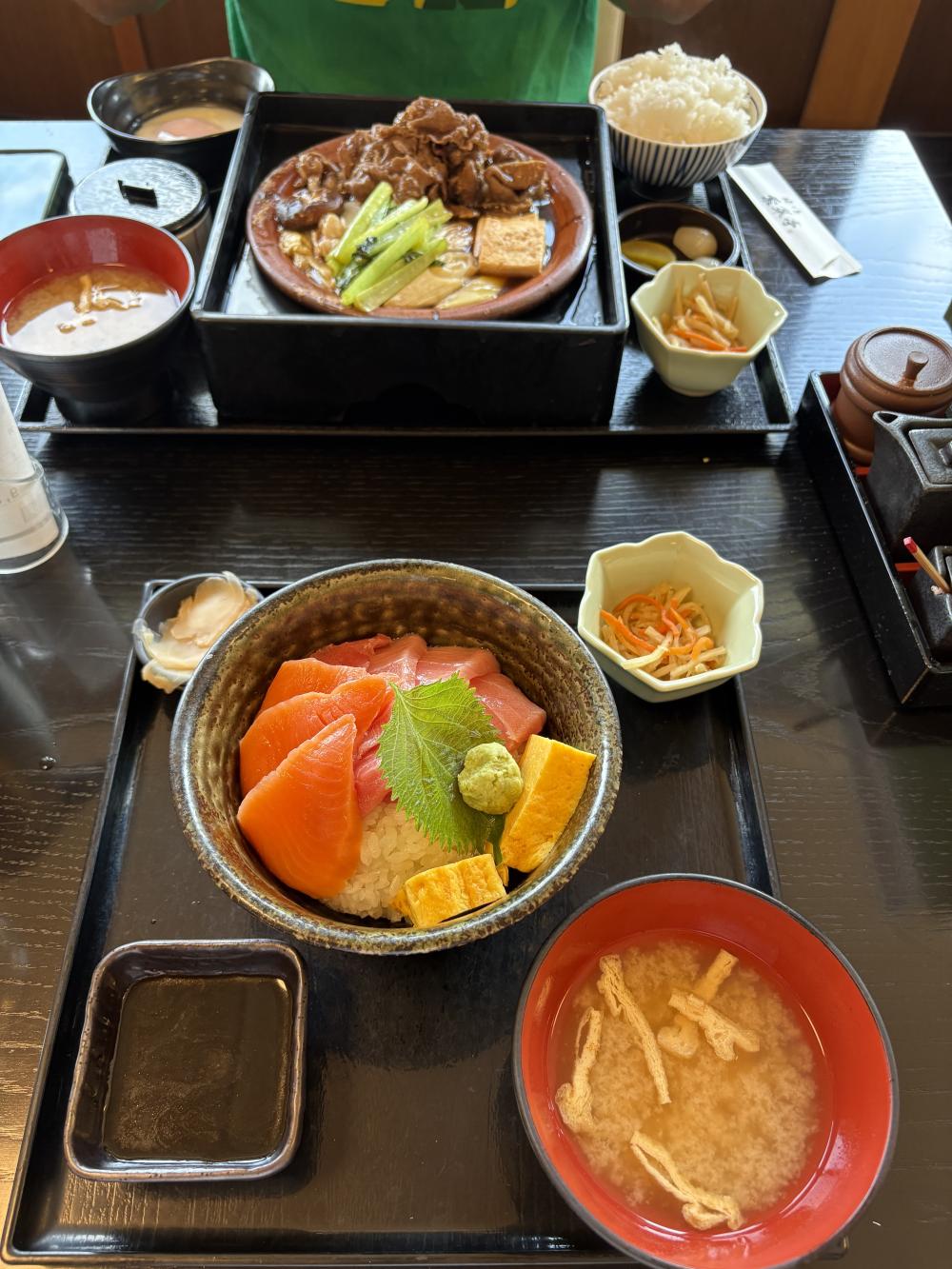
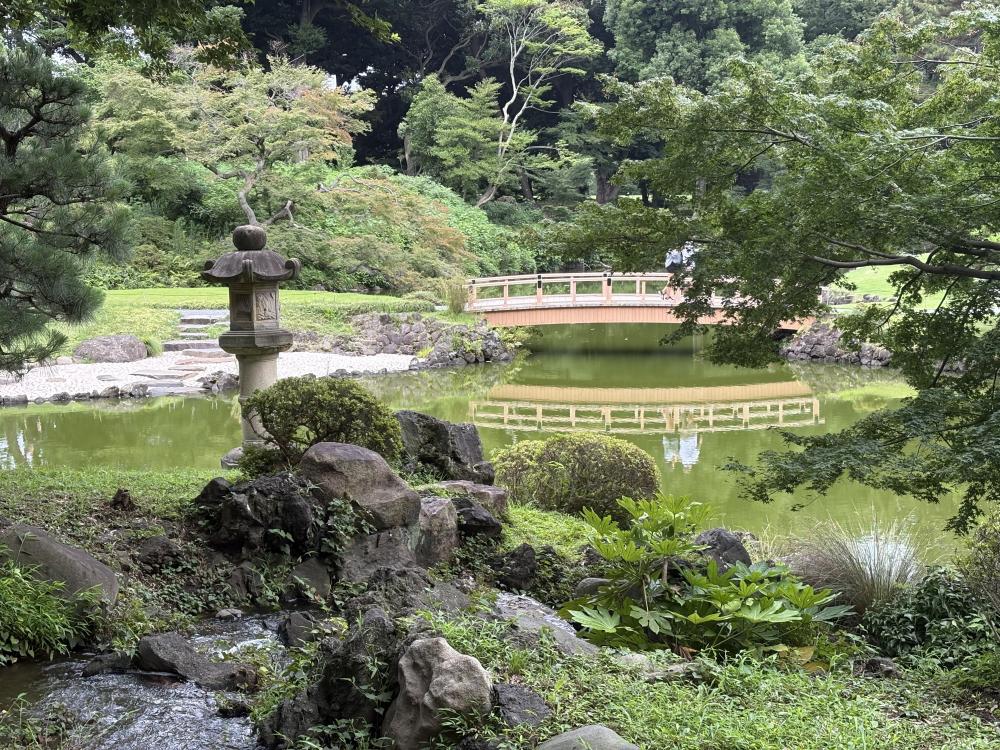
The most striking thing has been the intentionality behind every design. Everything seems to have a purpose: small restaurants maximize space, public transportation takes you almost anywhere, and convenience stores are actually convenient. Compared to the U.S., where it's difficult to get around without a car and urban sprawl separates people from jobs, food, and education, Japan feels incredibly efficient.
A challenge I've faced is that I can't meet with my therapist because of licensing restrictions. The transition was difficult, and I felt drained the first few days. Luckily, both the locals and my fellow travelers have been kind. Socializing, taking time alone to decompress, journaling, talking to loved ones, and immersing myself in activities have helped me settle into my temporary home.
One surprise has been the expectation around noise. Everyone speaks in low voices, and maintaining quiet in the dorms is part of our housing contract. Violating that rule can lead to removal from the dorms, which surprised our entire program. Still, I’m excited for the next 3 weeks.
Emely Angel Perez, Diverse Ducks Ambassador